Technology in 2026 is shifting from “connected gadgets” to truly intelligent companions that anticipate needs, reduce screen time, and blend into daily routines. From AI eyewear that keeps your hands free to home robots that handle chores, these eight consumer innovations are poised to reshape productivity, health, and everyday living.
1) AI Smart Glasses: Your Hands-Free Second Screen
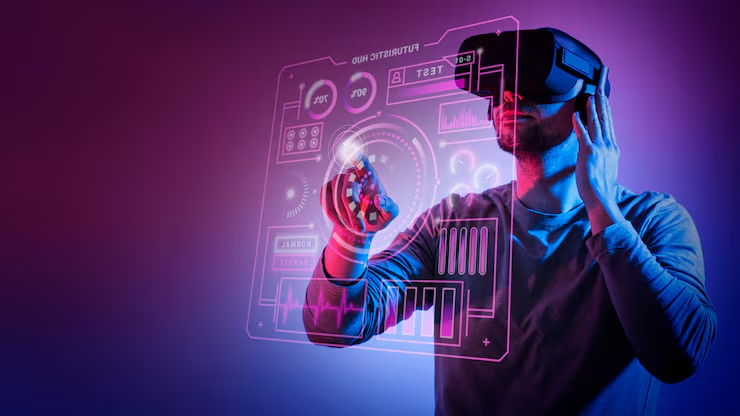
AI-powered smart glasses are moving beyond novelty to become practical productivity tools. New models put notifications, navigation, live captions, and translations directly in your line of sight—so you can work, commute, or create without constantly reaching for your phone.
Real-world benefits include:
- Hands-free documentation and first-person troubleshooting for field work or audits.
- Live multilingual subtitles and teleprompting for meetings, content creation, and travel.
- Contextual AI that identifies objects, reads text, and surfaces relevant info as you look around.
For SEO/content professionals, this means capturing ideas, dictating outlines, and reviewing briefs while staying focused on the task—cutting app-switching and boosting flow.
2) On-Device AI Smartphones: Faster, Smarter, More Private
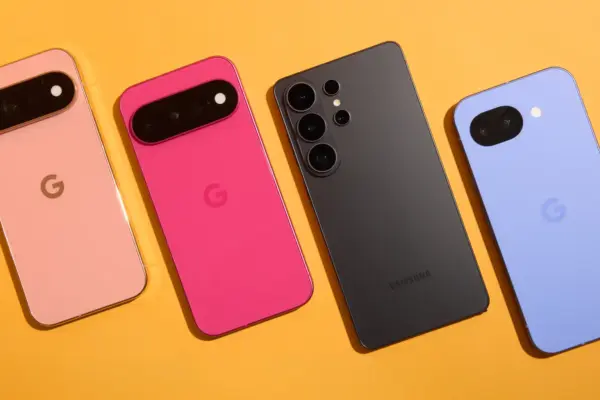
Flagship phones in 2026 run core AI models locally on the device’s neural processor instead of sending everything to the cloud. This delivers:
- Near-instant responses for summarization, translation, and image editing—even offline.
- Stronger privacy since sensitive data stays on-device.
- Better battery efficiency by reducing constant cloud round-trips.
For daily work, on-device AI means quicker research snippets, faster draft edits, and reliable performance in low-connectivity areas—ideal for travel or field reporting.
3) Home Robots: From Cleaning to Task Automation
Consumer robotics is maturing beyond vacuum bots. 2026 showcases autonomous devices that load dishwashers, patrol for security, and provide companionship—signaling a shift toward multi-task home helpers.
What changes for users:
- Routine chores get automated, freeing time for higher-value work or rest.
- Security and monitoring become proactive with AI-driven alerts and patrols.
- Elder care and household support gain new options as robots learn routines.
Expect early adopters to integrate robots with smart-home ecosystems, using voice or app commands to schedule tasks like “clean kitchen after dinner” or “check front door at 10 PM.”
4) Intelligent Homes: Predictive, Not Just Connected
Smart homes in 2026 are evolving from remote-controlled switches to AI-driven systems that learn habits and anticipate needs. Think thermostats that pre-cool before you arrive, lights that adapt to your circadian rhythm, and appliances that suggest maintenance before failures.
Key upgrades:
- Predictive automation reduces manual toggling and saves energy.
- Integrated AI assistants coordinate devices across brands for seamless routines.
- Privacy-focused, on-device processing keeps daily patterns local.
For remote workers, this translates to environments that auto-adjust for focus, calls, and rest—supporting sustained productivity without constant tweaking.
5) Foldable and Adaptable Displays: More Screen, Less Bulk
Foldable phones and laptops are hitting mainstream readiness in 2026, with major brands refining durability and software. Larger, flexible screens enable:
- True multitasking on a single device (research + writing + analytics side-by-side).
- Compact carry with tablet-like workspace when unfolded.
- New content formats for creators (vertical/horizontal layouts, immersive previews).
For bloggers and affiliate marketers, foldables simplify on-the-go editing, side-by-side comparisons, and quick content repurposing without a laptop.
6) Wearable AI Rings and Bands: Discreet Health + Productivity
Smart rings and gesture-control bands are gaining traction as low-profile wearables that track health and enable subtle interactions. They focus on:
- Continuous wellness metrics (sleep, stress, recovery) with AI insights.
- Gesture shortcuts for calls, notes, or media control without touching a phone.
- Long battery life and minimal design for all-day wear.
For knowledge workers, this means better recovery awareness and quick, distraction-free controls during deep work sessions.
7) Spatial Audio and Open-Ear Wearables: Focus Without Isolation
Open-ear audio wearables (including AI glasses with built-in speakers) deliver clear sound for calls and assistants while keeping you aware of your surroundings. Benefits include:
- Safer commuting and walking while staying connected.
- Reduced ear fatigue during long calls or editing sessions.
- Seamless voice assistant access for hands-free task management.
These are ideal for hybrid workers who juggle calls, research, and writing across different environments.
8) Next-Gen EVs and Smart Mobility: Safer, Smarter Commutes
Consumer vehicles in 2026 are adding advanced driver-assist features like hands-free parking, collision avoidance, fatigue detection, and in-car AI assistants. Combined with better satellite internet and connected services, commutes become:
- More productive (voice-led briefings, meeting prep en route).
- Safer with proactive alerts and automated maneuvers.
- More efficient via AI route optimization and energy management.
For professionals who travel between sites or clients, this reduces stress and reclaims time for planning or content review.
Why These Innovations Matter for Daily Life and Work
Together, these technologies reduce friction: fewer screens to manage, faster access to information, and more automation of routine tasks. For content creators, marketers, and remote teams, the biggest wins are:
- Less context switching and more uninterrupted focus time.
- Faster research-to-publish cycles with on-device AI and wearables.
- Health-aware workflows that prevent burnout via better recovery tracking.
As adoption grows, expect prices to stabilize and software ecosystems to mature—making these tools accessible beyond early adopters.